শুক্রবার, ০৬ নভেম্বর ২০২৬, ০৬:২২ অপরাহ্ন


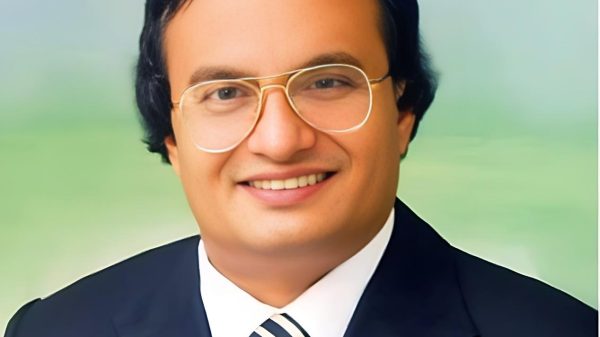
Dr. Abdul Wadud.
Physical and mental health are not separate. The World Health Organization believes that mental, physical and social functioning are interdependent. Growing social and economic inequalities, chronic conflicts, violence and public health emergencies affect mental health as a whole. Therefore, it is necessary to have an understanding and awareness of mental health like any other illness. Among the common mental illnesses, ADHD (one of the neurodevelopmental disorders of childhood) anxiety, anxiety, autism, substance abuse, bipolar disorder, conduct disorder, depression, depression, eating disorders, intellectual disabilities, problems with behavior control, schizophrenia, and other mental illnesses can significantly affect people at different stages of life. Beyond this, there are many different types of mental illnesses. Children, the elderly, women and men—people of any age can suffer from mental illness.
World Mental Health Day was first organized on October 10, 1992, by the World Federation for Mental Health. It is a global mental health organization with a presence in over 150 countries. The initiative was proposed in 1992 by Richard Hunter, Deputy Secretary General of the World Federation for Mental Health.
Until 1994, the day was celebrated without a specific theme; it mainly focused on educating people about common mental health issues. Later, on the advice of Eugene Brodie, then Secretary General of the World Federation for Mental Health, the day was celebrated based on the 1994 theme and the 1994 theme was “Improving the quality of mental health services worldwide”. The World Federation for Mental Health announces a specific theme every year to promote and educate about mental health problems, their prevention and to create better opportunities, support for people with mental health problems. The theme of World Mental Health Day 2025 is:
Access to Services- Mental Health in Catastrophes
It will highlight the importance of mental health and psychosocial support, especially in emergency situations, such as disasters, crises, wars, natural disasters, or other emergency situations, with a focus on access to mental health services.
The causes of mental health problems are multifaceted, often involving a combination of genetic, biological, environmental and psychological factors.
Genetic and biological factors mean that some mental health problems have a genetic component, making individuals more susceptible if they have a family history of certain diseases. In addition, imbalances in brain chemistry or structural abnormalities can cause mental illness.
Environmental and psychological factors mean that
life experiences, such as trauma or a history of abuse, are one of the main causes of mental health problems. Examples of environmental factors that can trigger or exacerbate mental health problems include work stress, social isolation and the loss of a loved one.
A recent UNICEF survey has revealed that children aged 5-17 are more likely to suffer from mental disorders and the suicide rate among children of this age group is also increasing by 8 percent, which is undoubtedly worrying. In the context of Bangladesh, although there is a law in force to stop physical abuse in educational institutions, there is no specific step to stop mental abuse. Child researcher Janet Kaye wrote in her research book ‘Protecting Children’ that the issue of mental abuse of children is accepted or taken seriously only when there are signs of physical injury on the victim’s body. However, verbal or silent bullying of children can create deep wounds in their hearts, which in the long term hinders the overall development of children. According to Janet, if the issue of mental abuse of children is not institutionally recognized, the issue will not be taken seriously at the guardian level. Since mental development is as important as the physical development of children, there is no alternative to giving institutional recognition to improve the mental health of children. A child-friendly environment is needed for the proper infrastructure of child brain development at different age levels. In this regard, family and educational institutions can play a strong role. Mary Emming Young, in her popular book – ‘From Early Childhood Development to Human Development’, has emphasized that the development of the brain capacity of children aged three to eight years is closely related to their personality development in later life, gaining proper knowledge of a subject, controlling emotions and the ability to make logical arguments, above all, physical and mental development. Therefore, this stage of children is very challenging. And the role of family, preschool and primary educational institutions is important to deal with this challenging time properly. Word choice is an important chapter in the protection and development of children’s mental health. For example, when one of two children is specifically praised, it will naturally have an adverse effect on the other child. Similarly, if one child is doing well in school or the other child is lagging behind and said something negative to him, it can cause mental distress. A relatively backward child may suffer from regret for not being able to do well, and this can lead to problems in personality development.
It is a matter of hope that the general public has started to view mental illness or problems positively. But the same is not true for mental illness as it is for physical illness. We go to the doctor without hesitation if our physical condition deteriorates slightly. So how many people go to the doctor on time for the care or treatment of the mind, which is more complex than the body? If we take steps to provide mental health services to everyone at the primary level, this problem will be reduced to a great extent.
The foundation of mental health is laid from the mother’s pregnancy. Then, from good parenting in the family, mental health care in pre-school and school, improved childcare centers, promotion and protection of mental health in the workplace, to taking care of mental health and receiving treatment until the end of life is important. A recent study has shown that at least one in four people may experience serious mental health problems at any time, who need urgent treatment.
To achieve this goal, remember the three Ls. 1. Look: Look for their safety, look for their immediate needs, and pay special attention to those who are experiencing severe distress and emotional reactions. 2. Listen: Listen attentively to their needs and concerns; listen to them to comfort and calm them. 3. Link: Contact the appropriate authorities or centers to meet basic needs and get other services, help them adapt to the problem, provide all necessary information, and connect with organizations that provide social support. Who will provide first aid: Family members, friends, office colleagues, teachers, police, and anyone in the patient’s social network can provide first aid. Their skills and knowledge can be improved with a little training. They will mainly identify the symptoms of the disease and direct the patient to the right treatment.
A survey by the World Health Organization shows that very few mental patients receive real modern treatment. Many others come to seek science-based medical treatment after a long period of mistreatment. The longer the delay in seeking treatment for mental illness, the more complications will increase and the results of treatment will be less. Therefore, mental patients must be provided with proper respect and dignity, ignoring all public shame, and healthcare must be ensured. We receive first aid for physical problems at home. Similarly, everyone must know about psychological first aid and be skilled in using it to provide primary mental healthcare.
If we go beyond mental illness and only consider the prosperity of mental health, then the biggest obstacle to the development and advancement of mental health is blocking the path of free thought, hindering the natural development of people. But again, we must remember that freedom of thought, freedom of thought does not mean that I will express whatever I want. Free thought, freedom of thought must be observed so that it does not hurt the thoughts of others; does not hurt the beliefs, thoughts, and cultures of people from other groups and communities. In other words, in the development of this free thought, empathy is the main condition at the individual, family, social, national, and international levels. In order to maintain good mental health, it is necessary to ensure the availability and proper implementation of our basic rights, i.e. food, clothing, shelter, medical care, education, and related matters.
In the current world, one in eight people suffers from some kind of mental problem. At the same time, mental problems are gradually increasing among children and adolescents, including the young population. The main reason for this is excessive mental stress, instability, uncertainty, depression, etc. As a result, to ensure good, healthy and improved mental health, more attention must be paid to the development of the mental health of children and adolescents. They must be accustomed to dealing with the pressures of globalization. In every field, including family, society, and educational institutions, the free and independent thinking of children and adolescents must be ensured and they must grow up without fear, and this is the fundamental and human right of every child and adolescent. If the mental development of a child and the normal growth of mental health are hindered, you cannot expect a mature person with a developed mind, a healthy mind, and a developed nation. As a result, if we want to create a better-thinking world and a prosperous human race, there is no alternative to recognizing mental health as a universal human right and working for its implementation. A mutually compassionate mindset is one of the catalysts for the development of mental health.
Author: Wildlife expert , educator, researcher, and political analyst, founder of the Fikamli theory .
স্বর্বস্বত্ব সংরক্ষিত-২০২৩-২০২৬,স্মার্ট টিভি,র ওয়েবসাইটের লেখা,ছবি,ভিডিও অনুমতি ছাড়া ব্যবহার করা দন্ডনীয় অপরাধ।


















Leave a Reply